Why Geometry Demands More Than Formulas
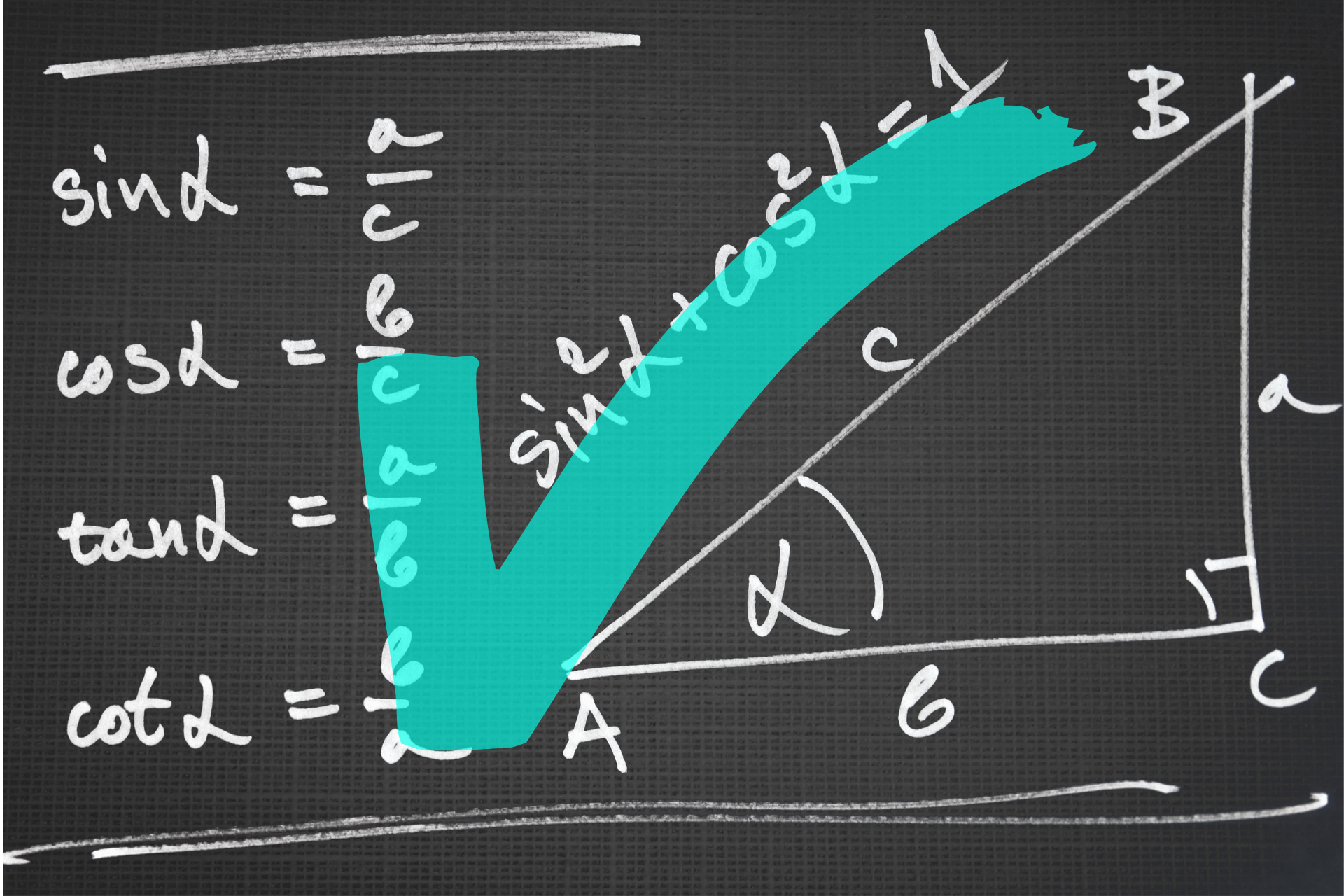
Geometry is not like other math classes. It is less about long equations and more about shapes, pictures, and reasons. You are not just solving for x; you are proving why something is true using diagrams and logic.
That makes geometry a visual subject by design, not just a subject some students happen to experience visually. Every student, no matter how they usually approach math, has to work with:
- Diagrams and figures
- Spatial thinking
- Multi-step proofs
A clear diagram helps any student follow the logic. A confusing one can make any student stall, regardless of how they usually do in math class. So the real question is not which kind of learner a student is, but which teaching method handles diagrams, proofs, and constructions well enough to keep geometry making sense, especially as school ramps up in the fall and exams come just around the corner.
What It Actually Takes to Learn Geometry Well
Geometry asks students to do some very specific things. They have to:
- Read and draw accurate diagrams
- Understand what theorems really mean, not just copy them
- Build proofs line by line
- Work with tools like compasses, straightedges, and protractors
Doing this well usually means seeing an idea more than once and in more than one form. That might look like:
- The same triangle redrawn three times with different labels
- A color overlay to show which angles match
- A step-by-step picture of how a construction grows from one circle and one line into a full figure
Dynamic visuals help here too. Moving a point on a diagram and watching an angle grow, or shrinking a triangle to show similarity, can make a rule feel real. Seeing it more than once is what makes the idea stick, for any student.
Quick, direct feedback matters just as much. If a student draws a line wrong in a construction, correcting it right away on the same picture helps them see the difference. When a tutor circles a step in a proof and writes a note next to it, the connection between the reason and the diagram becomes clear. This kind of support gets even more important on Regents questions or AP-style geometry problems, which often pack a lot of information into one busy picture.
Online Geometry Tutoring: Strengths and Limits
Online geometry tutoring works well when the tools are used well. A good online geometry tutor leans into the digital side rather than working around it. That can include:
- Interactive whiteboards where tutor and student draw together
- Drag-and-drop shapes to test ideas in real time
- Animated diagrams to show what happens when a point, angle, or side moves
- Color-coded proof layouts that make logic easier to see
One big plus is that these drawings can be saved. A student can go back before a quiz, midterm, or big spring exam and rewatch how a tough proof was built or how a tricky diagram was read. During busy months full of sports, appointments, and family events, online sessions are also easier to fit in. It is simpler to jump on a computer for an hour than to drive across town, especially in bad weather.
Online tutoring also makes homework help more direct. Screen sharing lets a tutor look at the exact worksheet or online platform the school is using. They can mark it up, model one problem, then pass control to the student to try the next.
There are limits to keep in mind. Tech issues can break the flow, and screen fatigue is real, especially late in the day. A good online tutor has to keep the student active so they are not just sitting and watching, which means asking a lot of questions, having the student draw instead of just copy, and using clear visual explanations to keep ideas grounded.
In-Person Geometry Tutoring: Strengths and Limits
In-person tutoring brings a different set of strengths. Having real tools in your hands helps with geometry. A student can:
- Use compasses, rulers, and protractors directly on paper
- Sketch large diagrams on big sheets and compare versions side by side
- Build constructions step by step while the tutor sits next to them
There is a tactile comfort in this. Drawing a circle, feeling the compass turn, or flipping the page to see a new diagram can make geometry feel less abstract, especially for students who feel a bit worn out by screens.
In-person sessions also make it easier for a tutor to read body language. A good tutor can notice when a student's eyes keep jumping to the wrong part of the picture, when their face shows confusion at a certain step, or when they are holding the pencil but not actually writing. This kind of awareness helps with topics like circle proofs, similarity, and 3D geometry, where one small misunderstanding can throw off the whole problem.
But in-person work has its own drawbacks. Families have to deal with traffic, weather, and tight school schedules. It can be harder to record what happened in a session, so students may rely only on their notes or memory. Last-minute reviews before big tests or Regents exams are not always simple to fit in.
Choosing the Right Format for Your Student
The better fit comes down to the student's habits and what's happening at school, not a fixed learning style. Online tutoring tends to work well for a student who is:
- Comfortable working on a laptop or tablet
- Fine with drawing or writing on a screen
- Likely to replay explanations when studying
- Looking for steady support all through fall and spring
In-person tutoring tends to work well for a student who:
- Learns best with hands-on tools and paper
- Has trouble staying focused online
- Needs the structure of going to a specific place at a set time
A lot of families end up with a mix of both. They might choose in-person help early in the year to get constructions and basic proofs down, then move to online tutoring later for focused Regents or AP-style prep, when test practice and quick review sessions matter more.
How Math Exceed Teaches Geometry
At Math Exceed, our team is made up of experienced high school math teachers who know geometry inside and out. We work every day with students who feel both excited and frustrated by this course at the same time, and we build every session around the fact that geometry itself demands strong visual teaching, for every student, not just some of them.
In our online sessions, we lean hard into visual tools. We like to:
- Build proofs one line at a time on an interactive board
- Layer diagrams so each new theorem adds a new color or shape
- Write clear notes so students can review them before quizzes, midterms, and year-end exams
We pay close attention to how each student reads a figure and which types of problems slow them down, then tailor practice to match school expectations, including common styles found on state tests, Regents exams, and AP-style geometry units. Over time, we help students build a toolbox of patterns they can rely on, including:
- Angle relationships in parallel lines and polygons
- Triangle congruence and similarity ratios
- Key circle theorems that show up frequently
With steady, picture-based support, geometry stops feeling like a mystery and starts to look like a set of clear, repeatable ideas that any student can really own.
Boost Your Geometry Confidence With Expert One-on-One Support
If you are ready to strengthen your skills before the next big test, an experienced
online geometry tutor is here to help you master even the toughest concepts. At Math Exceed, we customize each session around your goals so you can move from memorizing formulas to truly understanding geometry. Get started by telling us about your needs and schedule, and we will match you with the right tutor. If you have any questions or want help choosing a plan, just
contact us.