AP Calculus AB asks students to think in new ways, but it still rests on familiar math skills. Every limit, derivative, and graph-based question can bring students back to algebra, functions, geometry, or trigonometry. When those earlier skills feel shaky, even a well-taught calculus lesson can become frustrating.
For families, the first weeks of fall can serve as a useful check-in point. By late September, students may have finished a course review, started limits, or taken an early quiz. Homework habits, grades, and a student’s own feedback can show whether they need more practice, clearer explanations, or a steadier routine before the course picks up speed.
Start with a Confident Calculus Foundation
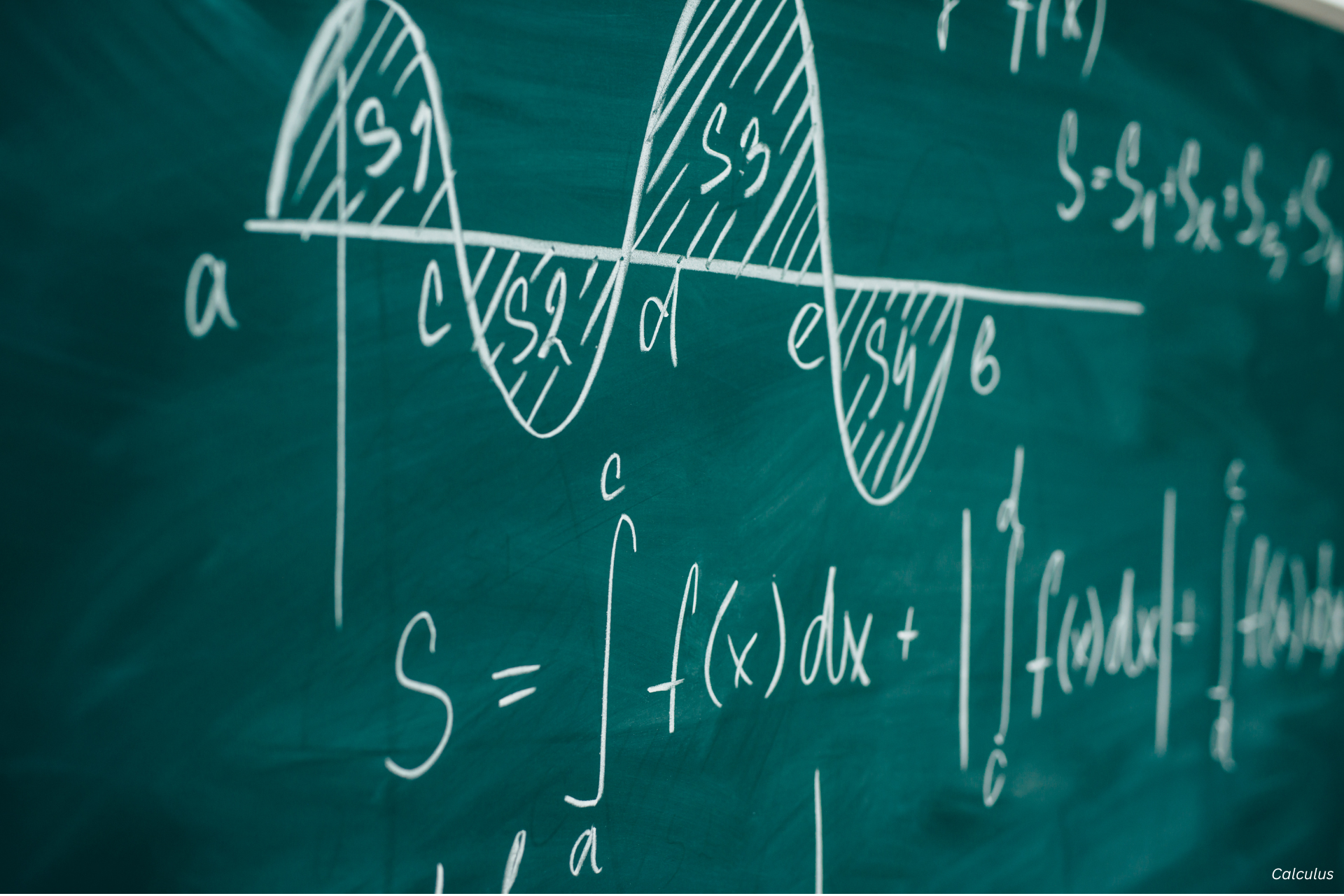
AP Calculus AB is not only about learning derivative rules and finding areas under curves. Students need to simplify expressions, read graphs, solve equations, and explain why an answer makes sense. Those tasks appear throughout the course, often inside problems that look much more advanced at first glance.
Early support does not mean a student is falling behind. In fact, we often see that a timely check-in helps students stay connected to classroom lessons while strengthening the skills underneath them. A calculus AB tutor can review earlier topics alongside current assignments, so students do not have to choose between catching up and keeping pace.
Families can look for a few common signs that extra guidance may be useful:
- Homework takes much longer than expected, even when the calculus idea seems clear
- A student misses problems because of algebra mistakes rather than calculus steps
- Quiz grades feel surprising or do not match the effort put into studying
- A student feels unsure how to begin a graph, limit, or equation problem
The goal is not perfection in September. It is to spot patterns early, when there is still room to build stronger habits and understanding.
Strengthen Algebra and Functions Before Gaps Grow
Algebra is often the quiet challenge in AP Calculus AB. A student may understand what a limit means, then get stuck factoring a polynomial. They may know the derivative rule they need, but make an error with negative exponents, fractions, or simplifying a rational expression.
These smaller mistakes can make calculus feel harder than it really is. We help students separate the new idea from the older skill causing trouble. Once they can see where a solution went off track, they are better prepared to correct it the next time.
Function knowledge matters just as much. Students should be comfortable with function notation, evaluating expressions, identifying domain restrictions, and connecting an equation to its graph or table. Calculus asks students to describe how a function behaves, not simply plug in a number and move on.
A focused review tends to work better than trying to relearn every past math topic at once. Short, regular practice that stays tied to what students are seeing in class is often most effective. Helpful areas to revisit include:
- Factoring, solving equations, and working with fractions
- Exponent rules and simplifying expressions
- Domain restrictions and function notation
- Transformations, graphs, tables, and key features of functions
An error log can also be a useful learning tool. Students can write down missed quiz questions, note the type of error, and return to similar problems later. This gives a calculus AB tutor a clearer picture of whether the issue is algebra, vocabulary, graph reading, or a new calculus concept.
Connect Trigonometry and Limits to Early Coursework
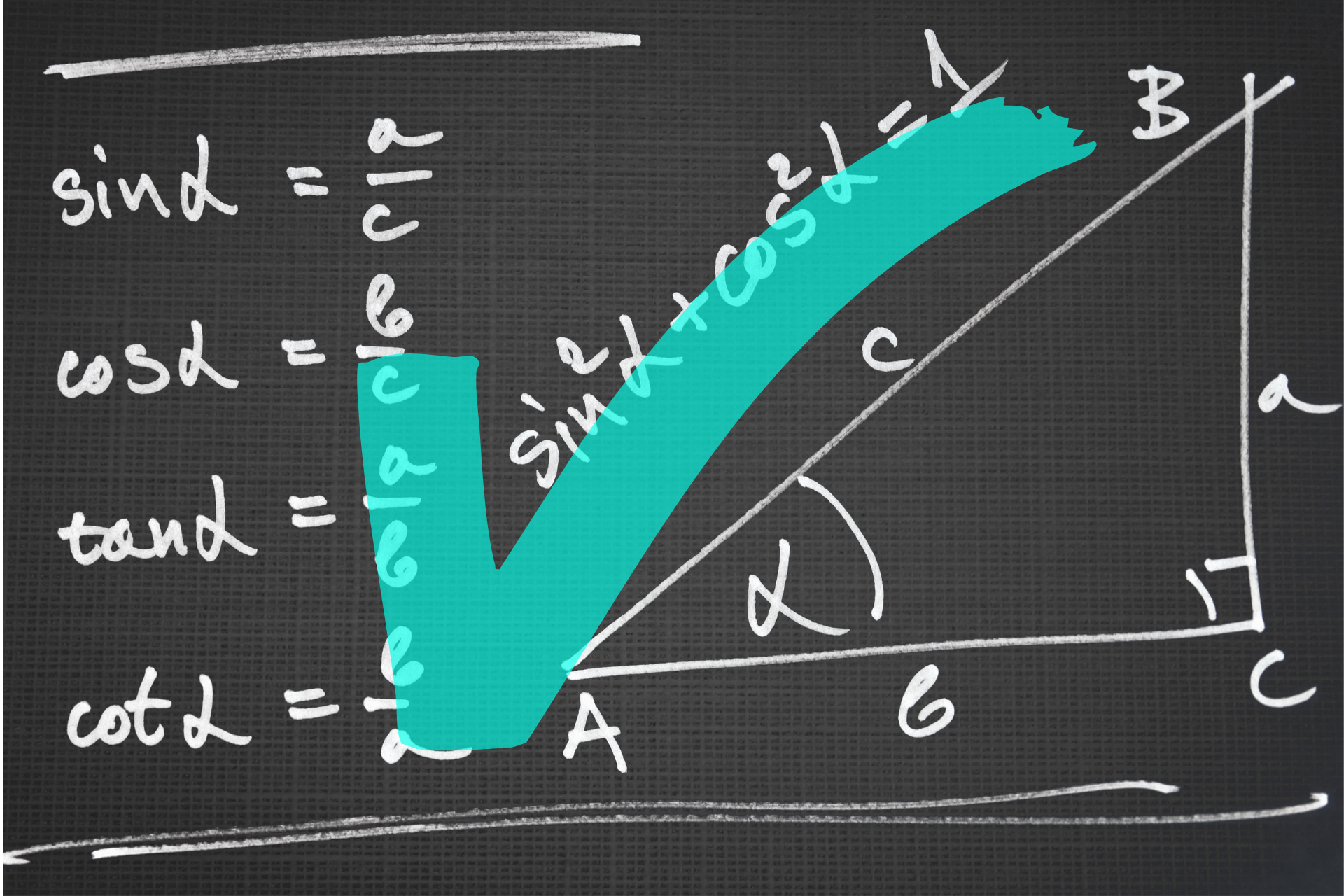
Trigonometry does not disappear once a student enters calculus. Comfort with the unit circle, common angle values, radians, sine and cosine graphs, identities, and inverse relationships can make later units feel far more manageable. When those skills are rusty, trigonometric limits and derivatives may take extra time.
Limits are also a major change in how many students think about math. Instead of finding one exact output, students consider what happens as an input gets closer and closer to a value. That calls for careful graph reading, table interpretation, algebraic simplification, and precise language.
During the limits unit, productive struggle is normal. Students may need more than one explanation before one-sided limits, continuity, removable discontinuities, and limits that do not exist begin to make sense. We encourage students to compare a graph, a table, and an equation whenever possible. Seeing the same idea in different forms can make abstract language feel more concrete.
Rather than memorizing a rule without context, students should practice explaining what they see. Can they describe what happens from the left and right? Can they tell whether a hole affects continuity? Can they explain why a limit does or does not exist? Those questions build the reasoning habits AP Calculus AB requires.
Use a Pace That Supports Learning All Year
Because AP Calculus AB moves quickly, waiting until the next test to review can create stress. A weekly rhythm that includes current homework, time to revisit errors, and a small amount of prerequisite practice can help. Consistency is usually more helpful than trying to do everything during one long study session.
A realistic routine can include previewing new vocabulary before class, completing assigned problems without rushing, and saving confusing questions for a teacher or tutor. Students do not need to study every hour of the day. They do need a predictable plan that gives them time to think.
Grades matter, but they are not the only sign of understanding. Families can ask a student to explain a recent lesson in their own words. They can also ask where the process felt confusing and which kinds of problems they can solve independently. Those conversations help students take ownership of their learning while giving you a clearer sense of when more support may help.
Choose Support That Builds Independent Problem Solving
Strong AP Calculus AB support should not be about handing students answers to homework. Effective support helps students explain their approach, notice where a process breaks down, and try a similar problem with growing confidence.
Personalized instruction can connect foundational review with current classroom demands. For example, a student struggling with derivative rules may also need help with exponent rules, function notation, or trigonometric relationships. By addressing the underlying skill while practicing the current topic, a calculus AB tutor can help students make progress that carries into future units.
At Math Exceed, we provide personalized online instruction for high school students working through algebra, functions, trigonometry, limits, and AP Calculus AB coursework. Our educators focus on homework support, skill-building, and preparation for the academic demands students face during the year.
Build Confidence Through Steady Progress
Early fall is a good time to respond if AP Calculus AB feels overwhelming, prerequisite skills feel uncertain, or early assessments have been discouraging. A clear plan now can help students build better habits before topics become more demanding.
Confidence grows when students can ask questions without embarrassment, work through mistakes step by step, and recognize their own improvement. With steady practice, thoughtful support, and time to build understanding, challenging calculus problems can become opportunities to reason, learn, and keep moving forward.
Strengthen the Skills That Support Calculus
At Math Exceed, we help students reinforce the precalculus concepts that make AP Calculus AB more manageable. Work with a
calculus AB tutor to clarify functions, trigonometry, algebra, and other essential skills before gaps become obstacles.
Contact us to discuss tutoring support tailored to your student’s goals.